
For many households, foam has always been associated with effective cleaning. Whether it’s dishwashing, mopping, or laundry, visible suds often create the impression that surfaces are being cleaned thoroughly. However, in reality, foam plays a limited role in the actual cleaning process. The real work is done by surfactants — ingredients that break down and lift dirt, grease, and grime from surfaces.
While high-foam cleaners may look satisfying, they can introduce practical inefficiencies. Excessive suds often require more effort to rinse away, leading to increased water usage in everyday tasks like dishwashing and laundry. In washing machines, too much foam can disrupt proper agitation, reducing cleaning efficiency. Similarly, during floor cleaning, heavy foam can leave behind streaks or residue, making surfaces appear dull and requiring additional effort to achieve a clean finish.
Low-foam cleaners are designed to address these challenges by focusing on performance rather than visual cues. By limiting unnecessary foam, these formulations allow for quicker rinsing and more efficient cleaning. This not only reduces water consumption but also simplifies the overall cleaning process, making it more practical for daily use.
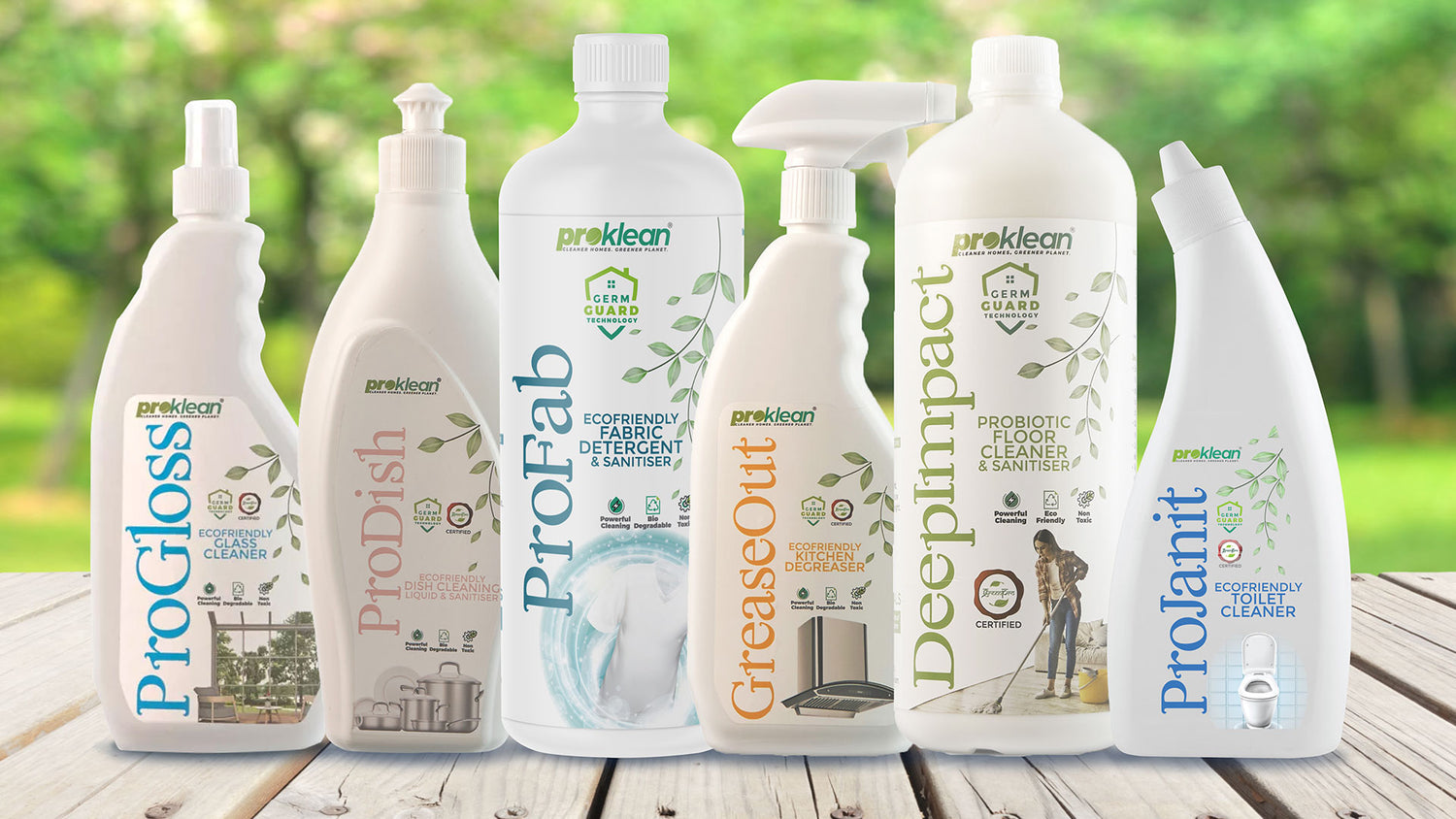
When it comes to floor care, the benefits of low-foam solutions become even more noticeable. Products such as Proklean’s DeepImpact Floor Cleaner are formulated to spread evenly, lift dirt effectively, and dry faster without leaving streaks. The absence of heavy suds means there is no need for repeated rinsing, allowing surfaces to dry clean and clear with minimal effort.
Another important advantage is controlled product usage. High foam often creates the perception that more product is needed for better results, leading to overuse. Low-foam cleaners shift this mindset by delivering consistent performance with the recommended quantity. This helps reduce unnecessary chemical usage while ensuring efficient cleaning outcomes.
Water efficiency is a key factor in modern cleaning practices. Since low-foam cleaners rinse off quickly, they naturally reduce the volume of water required per cleaning session. Over time, even small savings in daily routines can contribute to significant water conservation, supporting more sustainable household habits without compromising on cleanliness.
As more people become conscious of their environmental impact, the focus is gradually shifting from appearance-based cleaning to performance-driven choices. Understanding that foam does not define effectiveness allows for better decision-making — prioritising ease of use, reduced residue, and resource efficiency.
Ultimately, effective cleaning is not about the amount of foam, but about how well dirt is removed and how easily surfaces can be restored to a clean state. Low-foam cleaners offer a balanced approach by combining efficiency, convenience, and responsible usage. By choosing solutions that prioritise performance over excess, households can maintain cleanliness while using less water and product — making everyday cleaning smarter and more sustainable.
