

The kitchen is one of the most frequently cleaned spaces in any home. Counters are wiped, dishes are washed, and surfaces are maintained regularly. At a glance, everything may appear clean.
But there’s something that often goes unnoticed — a gradual, invisible build-up that forms over time.
Cooking naturally releases oils and fine grease particles into the air. These particles settle slowly on nearby surfaces — countertops, cabinets, stovetops, and even walls. Unlike visible spills, this layer is thin and accumulates gradually, making it easy to miss during everyday cleaning.
At first, it may not seem like a problem. But over time, this build-up can cause surfaces to feel slightly sticky, appear dull, and attract dust more easily. Regular wiping with water or mild cleaners may remove surface-level dirt, but it often doesn’t break down this thin layer of grease effectively.
This is why kitchens sometimes feel less clean than they look.
Another factor is the type of cleaning product used. General-purpose cleaners may not always be designed to handle oil-based residues. They can spread grease around instead of fully removing it, especially when the build-up has been forming over days or weeks. This can lead to uneven cleaning, where surfaces appear clean in patches but not consistently across the area.
Repeated exposure to cooking oils also affects areas that are not cleaned as frequently — such as backsplashes, chimney surfaces, cabinet edges, and appliance exteriors. These spots often hold more build-up than expected, contributing to an overall dull appearance in the kitchen.
The solution lies in recognising that kitchen cleaning requires a slightly different approach from general surface cleaning.
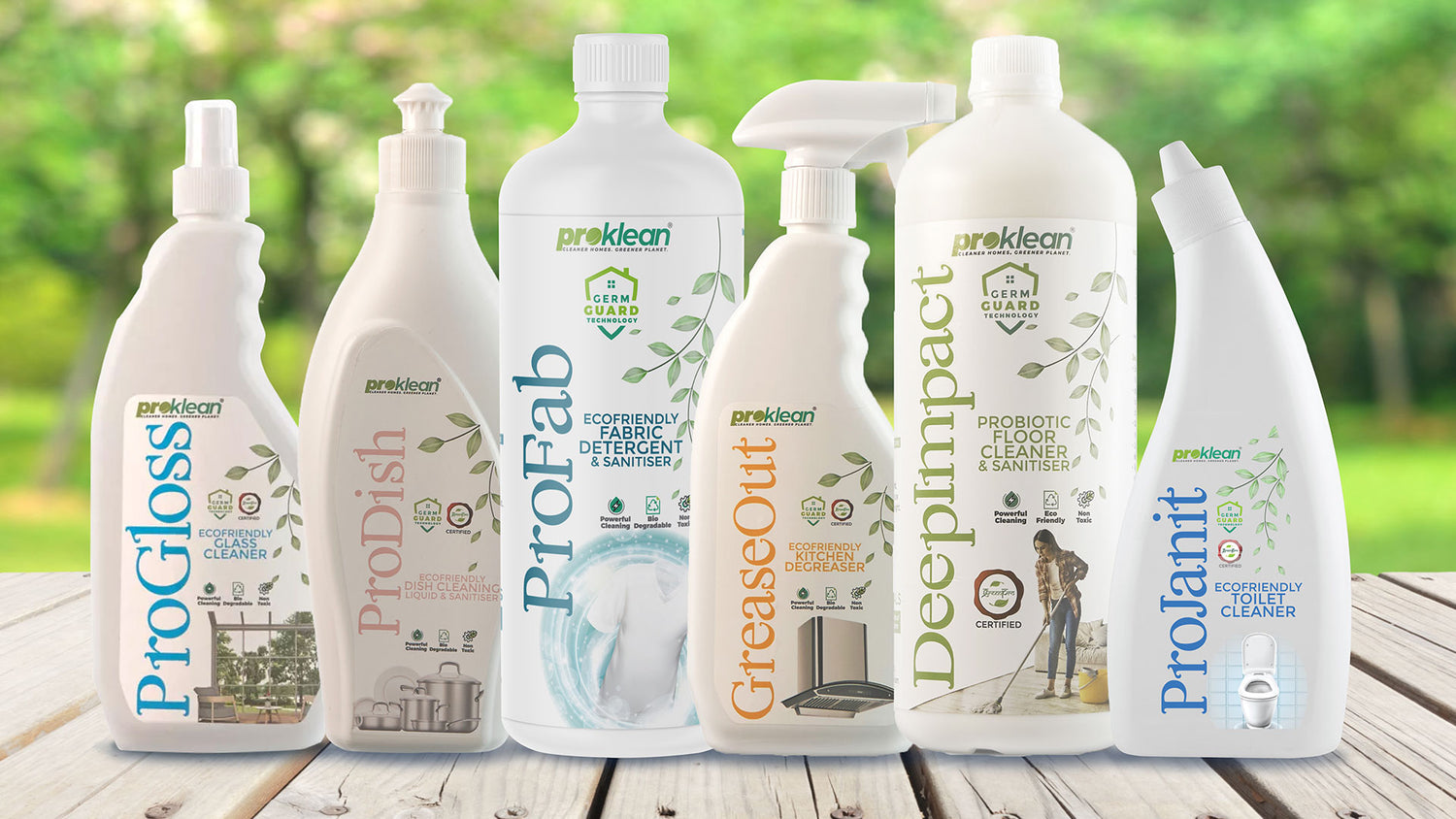
Instead of relying only on regular wiping, it helps to use a cleaner designed specifically to break down grease. A product like GreaseOut Advance is formulated to target oil-based residues, helping lift and remove the thin film that builds up over time. This makes cleaning more effective without the need for excessive scrubbing.
Consistency also plays an important role. Light, frequent cleaning prevents grease from layering and becoming harder to remove later. Addressing surfaces soon after cooking, especially around stovetops and preparation areas, reduces long-term accumulation.
It’s also useful to occasionally clean beyond the obvious areas. Wiping cabinet handles, appliance sides, and less visible surfaces ensures that build-up doesn’t spread or transfer back onto frequently used spaces.
Another simple habit is using the right amount of product. Using too little may not break down grease effectively, while using too much can leave residue. Balanced application ensures surfaces are cleaned thoroughly without additional film being left behind.
A clean kitchen isn’t just about what you see at the moment — it’s about what builds up over time. By understanding how grease behaves and adjusting cleaning methods accordingly, it becomes easier to maintain a space that not only looks clean but also feels fresh consistently.
Small changes in approach can make a noticeable difference. And when build-up is managed regularly, cleaning becomes simpler, faster, and more effective — every day.
